how to create a monthly budget: Learn how to build a realistic monthly budget that you’ll actually stick to, with simple steps anyone can follow.
Most budgets fail not because people lack discipline, but because the budget itself was unrealistic from day one. A good budget isn’t about restricting yourself to the point of misery — it’s about knowing exactly where your money goes so you can make intentional choices instead of wondering where your paycheck disappeared by the 20th of the month.
The good news is that building a budget that actually sticks doesn’t require complicated spreadsheets or financial expertise. It requires honesty about your spending, a simple system to track it, and a willingness to adjust as you go.
Start With Your Real Numbers, Not Guesses
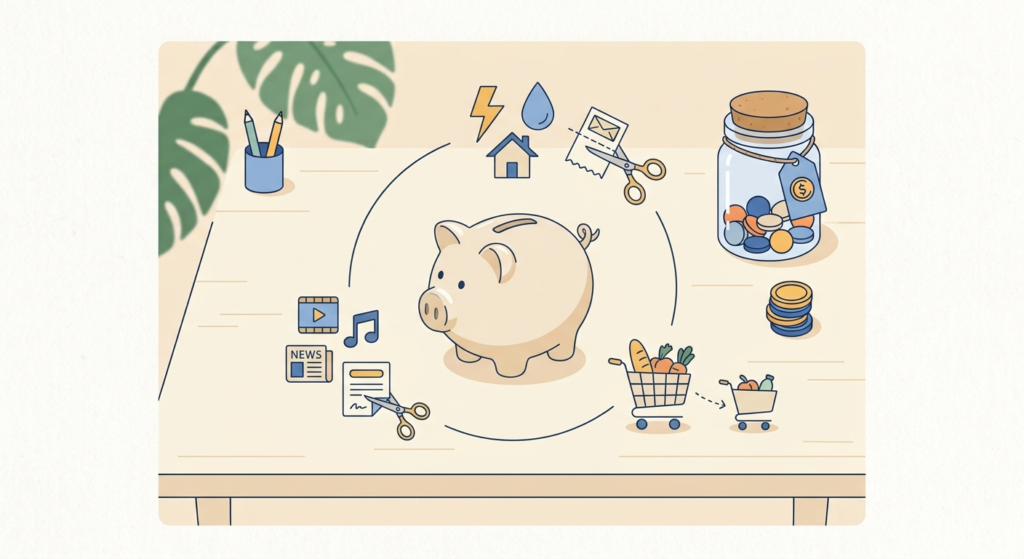
Before you can budget, you need to know what you’re actually spending. Pull up your last two or three months of bank and card statements and categorize every expense — rent, groceries, transport, subscriptions, eating out, and so on. Most people are surprised by at least one category, often food delivery or subscriptions they forgot they were paying for.
The 50/30/20 Rule as a Starting Framework
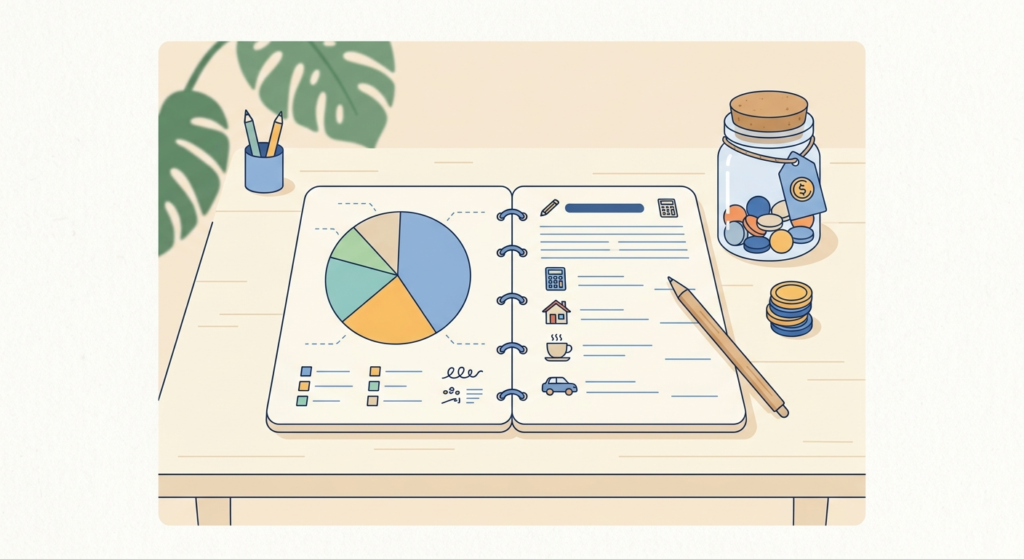
A popular and simple starting point is the 50/30/20 rule: 50% of income toward needs (rent, utilities, groceries), 30% toward wants (entertainment, dining out, hobbies), and 20% toward savings and debt repayment. This isn’t a strict law — adjust the percentages based on your city’s cost of living and personal goals — but it gives you a sensible default instead of starting from zero.
Build in Some Flexibility
Rigid budgets break the first time an unexpected expense shows up. Build a small buffer category for irregular costs — car repairs, medical visits, gifts — so a single surprise expense doesn’t derail your entire month. This is different from your emergency fund; think of it as a monthly cushion.
Automate What You Can
The budgets that survive long-term are usually the ones that require the least ongoing willpower. Set up automatic transfers to savings right after payday, before you have a chance to spend that money elsewhere. This “pay yourself first” approach removes the daily decision-making that often derails good intentions.
Track and Adjust Monthly
Your first month’s budget is a draft, not a final version. Review it at the end of each month, see where you overspent or underspent, and adjust categories accordingly. A budget that evolves with your actual life is far more sustainable than one you set once and never revisit.
Benefits of Budgeting Consistently
- Reduces financial stress by removing uncertainty about where money goes
- Reveals spending leaks you didn’t know existed
- Builds savings automatically through intentional allocation
- Makes bigger financial goals achievable through consistent tracking
- Gives you control over spending decisions instead of reacting to shortfalls
Frequently Asked Questions
What’s the easiest way to start tracking expenses? A simple spreadsheet, a budgeting app, or even a notes app works fine to start — the key is consistency, not the sophistication of the tool. Many people find that a basic percentage-based calculator helps set realistic category targets before diving into detailed tracking.
Should my budget change every month? Some variation is normal, especially around irregular expenses like holidays or annual subscriptions, but your core categories (rent, groceries, savings) should stay relatively stable month to month.
What if I keep going over budget in one category? Rather than feeling discouraged, treat it as data — either the category needs a higher allocation because it reflects your real priorities, or you need a specific strategy (like meal planning) to bring that spending down.
Conclusion
A budget that works isn’t the strictest one — it’s the one you’ll actually follow. Start with real numbers, build in flexibility, and adjust monthly, and you’ll have a system that supports your financial goals instead of fighting against your actual life.